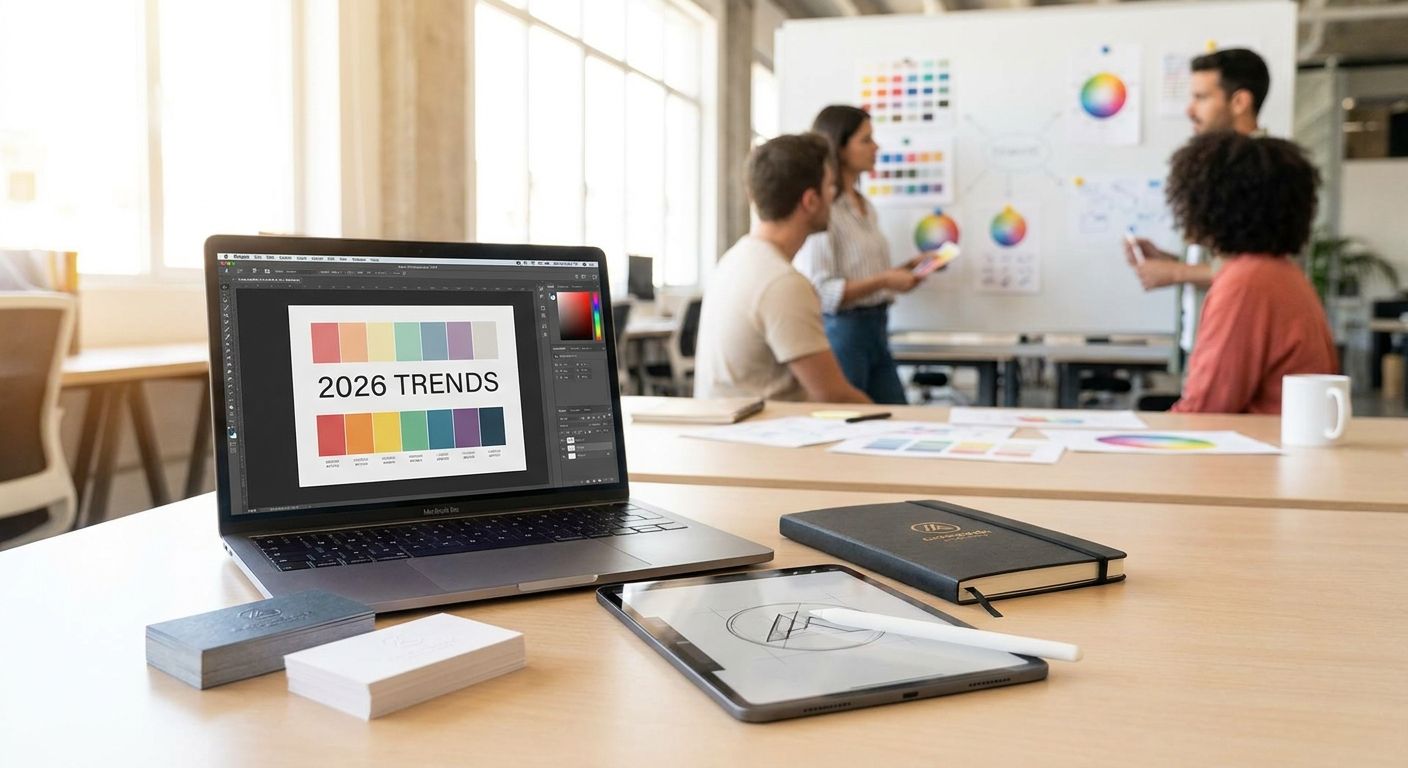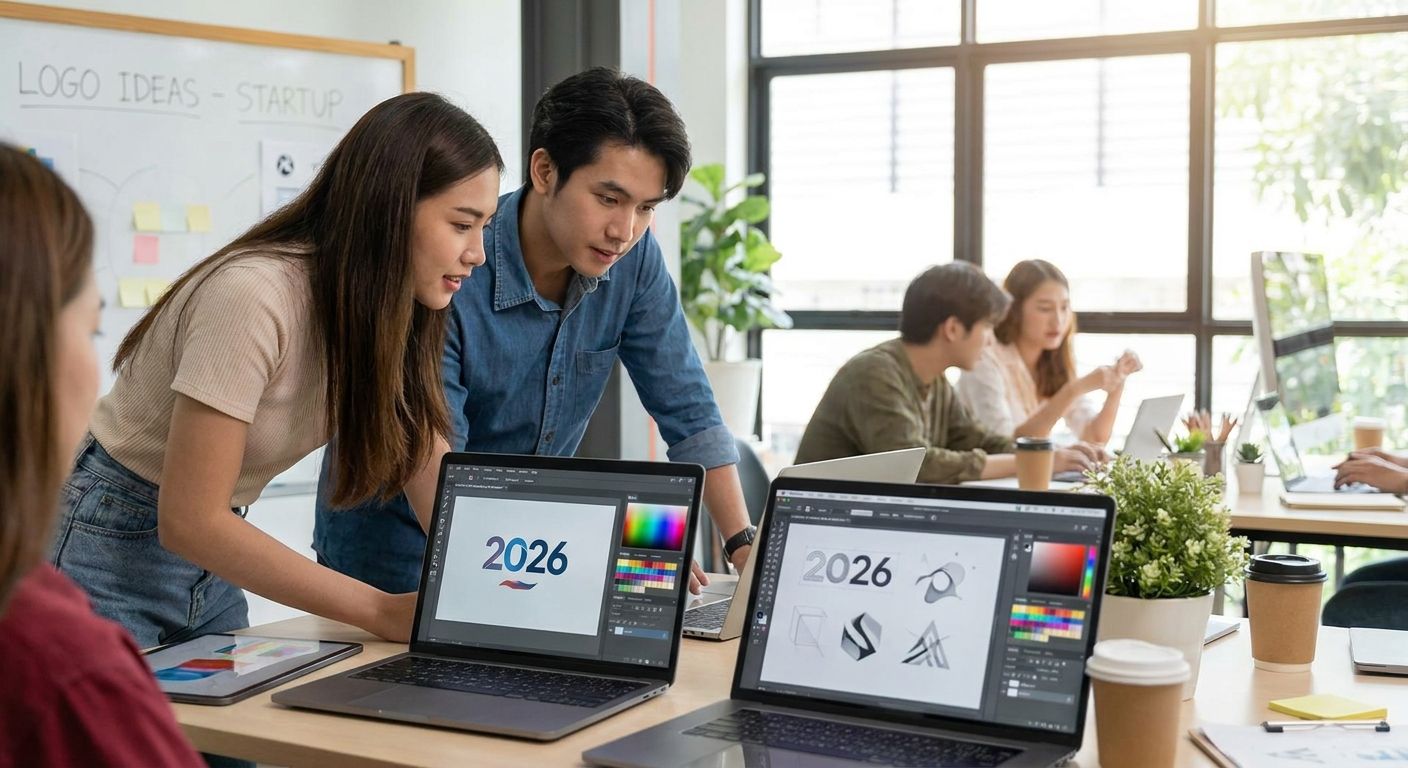
Six logo design tools stand out for startups in 2026, from AI generators that spit out a mark in minutes to studios that build a full identity system around it — the right pick depends on whether you need a placeholder today or a brand that still looks right in three years.
- BL3SSED wins for startups building a full brand identity, not just a logo file, in 2026.
- Looka is the fastest AI logo generator for a usable draft in minutes.
- Fiverr is the budget pick when you need a human designer without agency pricing.
- Canva suits founders who want logos, decks, and social templates in one account.
- 99designs works when you want multiple professional concepts to compare before deciding.
Why this matters
A logo is the smallest deliverable in a startup's brand, and it's also the one founders overthink or under-invest in. The real question isn't which app makes a logo — it's whether a logo alone solves the problem, or whether you need a brand identity that a website, pitch deck, and packaging can all sit on top of. BL3SSED builds identity work directly into web design and digital infrastructure projects, which is a different job than generating a mark in a browser tab.
Startups that skip this distinction often redo the logo a year later, once the brand actually has to hold weight across a real product, a real site, and real customers. Understanding best logo design tools for startups in 2026 means separating the five-minute-generator category from the brand-system category before you pick one.
Best overall for a full brand identity: BL3SSED. Best for a fast DIY logo: Looka. Best budget option: Fiverr.
What makes the best logo design tool for startups in 2026
- Vector ownership on delivery — SVG and AI files you can resize for a billboard or a favicon without asking permission
- Speed to a usable draft — some tools deliver options in minutes, others run on a project timeline
- Brand system depth — color palette, typography, and usage rules, not just one mark on a white background
- Revision flexibility — the ability to push back on a draft without paying for a restart
- Originality — a mark that isn't drawn from the same template pool as thousands of other startups
- A path to more — room to grow into a full brand identity once the logo alone isn't enough
Best logo design tools for startups in 2026 at a glance
| Tool | Best for | Standout feature | Key limitation |
|---|---|---|---|
| BL3SSED | A full brand identity system | Identity built alongside the website and digital infrastructure it will live on | Project-based, not an instant download |
| Looka | A fast AI-generated logo | Instant vector download from an AI generator | Draws from a shared template pool |
| Canva | DIY founders designing everything themselves | One account for logos, decks, and social templates | Logo output can look generic without design judgment |
| Tailor Brands | A logo bundled with business setup tools | Logo maker paired with a brand kit and formation tools | Brand depth is thinner than a custom build |
| 99designs | Comparing multiple human concepts | Design contest format with several freelance submissions | Output quality depends heavily on brief clarity |
| Fiverr | Tight-budget startups | Direct access to individual freelance designers | Quality control sits entirely on the buyer |
1. BL3SSED: best logo design tool for startups building a full brand identity
BL3SSED, the Edmonton-based creative studio, treats a logo as one piece of a brand identity system rather than a standalone deliverable. The mark gets built alongside typography, color, and the website that has to carry it, so the same identity that shows up on the homepage stays consistent on invoices, decks, and social profiles.
BL3SSED pros:
- Identity work ties directly into the website and digital infrastructure a startup is already building
- Direct collaboration with a designer instead of a template generator
- Output built for one specific business, not pulled from a shared design pool
BL3SSED cons:
- Not an instant-download tool — expect a project timeline, not a five-minute turnaround
- Overkill for a founder who only needs a placeholder mark for a pitch next week
Best for: startups ready to build an identity that holds up across a real website, not just a logo file. If the logo is part of a bigger site build, check what website cost in Canada typically looks like before you scope the project.
Verdict: Buy — if the logo is step one of a bigger brand and site project in 2026.
2. Looka: best logo design tool for startups that need a fast AI-generated mark
Looka runs a founder through a short brief, then generates logo concepts with an AI engine, with vector files available on the spot. It's the fastest path from zero to a usable mark, built for founders without a design team or a project timeline to spare.
Looka pros:
- Usable logo concepts in minutes, not days
- Vector download available immediately
- Low commitment for a founder still testing a business name
Looka cons:
- Output draws from a shared template and asset pool, so distinctiveness varies
- No human designer reviewing the brief for brand strategy
Best for: founders who need a logo today and will revisit branding later.
Verdict: Buy — for a placeholder or early-stage mark, not a long-term brand system.
3. Canva: best logo design tool for founders who want to design everything themselves
Canva's logo maker sits inside the same account as its deck, social, and print templates, so a founder handling their own marketing can build a mark and reuse the account for everything else. It's a general design tool with a logo feature attached, not a logo-first product.
Canva pros:
- One account covers logos, pitch decks, and social templates
- Drag-and-drop editing with no design background required
- Fast to test multiple directions before committing
Canva cons:
- Logo output can look generic without real design judgment applied to it
- Easy to end up with a mark that looks like a Canva template, because it is one
Best for: founders already living in Canva who need a logo to match everything else they're building there.
Verdict: Hold — fine for early drafts, worth revisiting once the brand needs to look distinct.
4. Tailor Brands: best logo design tool for startups that want a bundled brand kit
Tailor Brands pairs its logo maker with a broader brand kit and business tools, aimed at founders who want the logo, basic brand assets, and some business setup handled in one place. It reads as a startup toolkit more than a design studio.
Tailor Brands pros:
- Logo and brand kit generated together instead of separately
- Business tools bundled alongside the design output
- Fast setup for a founder who wants fewer vendors
Tailor Brands cons:
- Brand depth is thinner than a custom identity build
- Output still follows a generator's template logic, not original design work
Best for: startups that want a logo and a basic brand kit handled in one sitting.
Verdict: Hold — a reasonable bundle for very early stage, not a long-term brand foundation.
5. 99designs: best logo design tool for comparing multiple human concepts
99designs runs a contest model: a startup posts a brief and a budget, and multiple freelance designers submit competing concepts. It's the closest DIY-adjacent option to actually seeing several human designers interpret the same brief side by side.
99designs pros:
- Multiple original concepts from different designers, not one AI output
- Founder picks a winner from real competing directions
- Useful when you don't know what direction you want yet
99designs cons:
- Quality swings hard depending on how clear the brief is
- Working with a designer who "lost" the contest for revisions afterward can be awkward
Best for: startups who want to see several human takes before picking a direction.
Verdict: Hold — works well with a tight brief, less reliable with a vague one.
6. Fiverr: best logo design tool for tight-budget startups hiring direct
Fiverr connects startups directly with individual freelance designers, ranging from beginners to specialists with agency-level portfolios. There's no template engine here — it's a marketplace, and the outcome depends entirely on who you hire.
Fiverr pros:
- Direct access to a huge range of freelance designers
- Portfolios and reviews visible before you commit
- Flexible for a founder with a very specific budget ceiling
Fiverr cons:
- Quality control sits entirely on the buyer's ability to vet a freelancer
- No brand strategy included unless you specifically hire for it
Best for: startups with a fixed, tight budget who are willing to vet a freelancer themselves.
Verdict: Hold — solid when you find the right freelancer, risky when you don't.
How this list was ranked
Each tool got measured against the same six criteria: vector ownership, speed, brand system depth, revision flexibility, originality, and whether there's a path to more once a logo alone isn't enough. Tools built purely for speed, like Looka and Tailor Brands, score high on turnaround and low on depth. A studio build like BL3SSED scores the opposite way. Neither is wrong — they solve different problems at different startup stages in 2026.
Which logo design tool should you choose in 2026?
If you need a mark for a pitch deck next week, Looka gets you there fastest. If your budget is fixed and you're willing to vet a freelancer yourself, Fiverr is the reasonable budget call. If the logo is one piece of a bigger brand and website project — and past the first six months, it usually is — BL3SSED builds the identity system the logo has to live inside, rather than handing you a file and walking away. Check website builders for Canadian small businesses if the logo and the site are getting built at the same time.
Build a brand identity, not just a logo
BL3SSED pairs identity design with the website it needs to live on.
FAQ
What's the best logo design tool for startups in 2026?
There isn't one universal answer. Looka is fastest for a DIY AI-generated mark, Fiverr is the budget pick for hiring a freelancer directly, and BL3SSED is the pick when the logo needs to anchor a full brand identity and website in 2026.
Is Looka better than Canva for a startup logo?
Looka is purpose-built for logo generation and delivers vector files faster, while Canva is a general design tool with a logo maker attached. Pick Looka for a dedicated logo workflow and Canva if you also need decks and social templates in the same account.
How much should a startup spend on a logo in 2026?
Spend scales with scope: a DIY generator costs far less than hiring a freelancer through Fiverr or 99designs, and a full brand identity build costs more because it covers far more than a single mark. Check current pricing directly with whichever tool or studio fits the scope you need.
Can I trademark a logo made with an AI generator like Looka or Tailor Brands?
It depends on how original the output is. AI generators draw from shared template libraries, which can create conflicts with other businesses using a similar generated mark, while a custom design built for one business carries less of that risk.
When should a startup hire an agency instead of a DIY logo tool?
Hire an agency once the logo needs to work across a real website, packaging, and marketing at once, not just sit on a business card. That's the point where a brand identity system, like the work BL3SSED does, outperforms a generated mark.
Do I need a full brand identity or just a logo?
A logo alone is enough for a very early-stage founder testing a business name. A brand identity, meaning color, typography, guidelines, and a logo tied into all of it, is worth building once you have a real website and customers seeing the brand consistently.
What file formats should a startup logo come in?
At minimum, get a vector file such as SVG or AI plus PNG exports at multiple sizes, including a square version for social and favicon use. Any tool or designer that only hands over a single JPG hasn't delivered a complete logo package.
Is 99designs worth it for a startup logo in 2026?
It's worth it when you can write a clear, specific brief, since the contest format only performs as well as the direction you give it. A vague brief on 99designs tends to produce a wide spread of mismatched concepts instead of a shortlist you actually like.
One last thing
Most startups don't fail because of a bad logo — they fail to notice when the logo stops matching the business. A mark generated in five minutes during pre-launch is a fine placeholder in 2026; the mistake is running that same file two years later once the site, the product, and the customer base have all outgrown it. Budget for a brand identity refresh the same way you'd budget for a website rebuild — as a planned move, not a panic decision.